
For More Inquiry

heavydutymetalbuildings@gmail.com
You can mail us
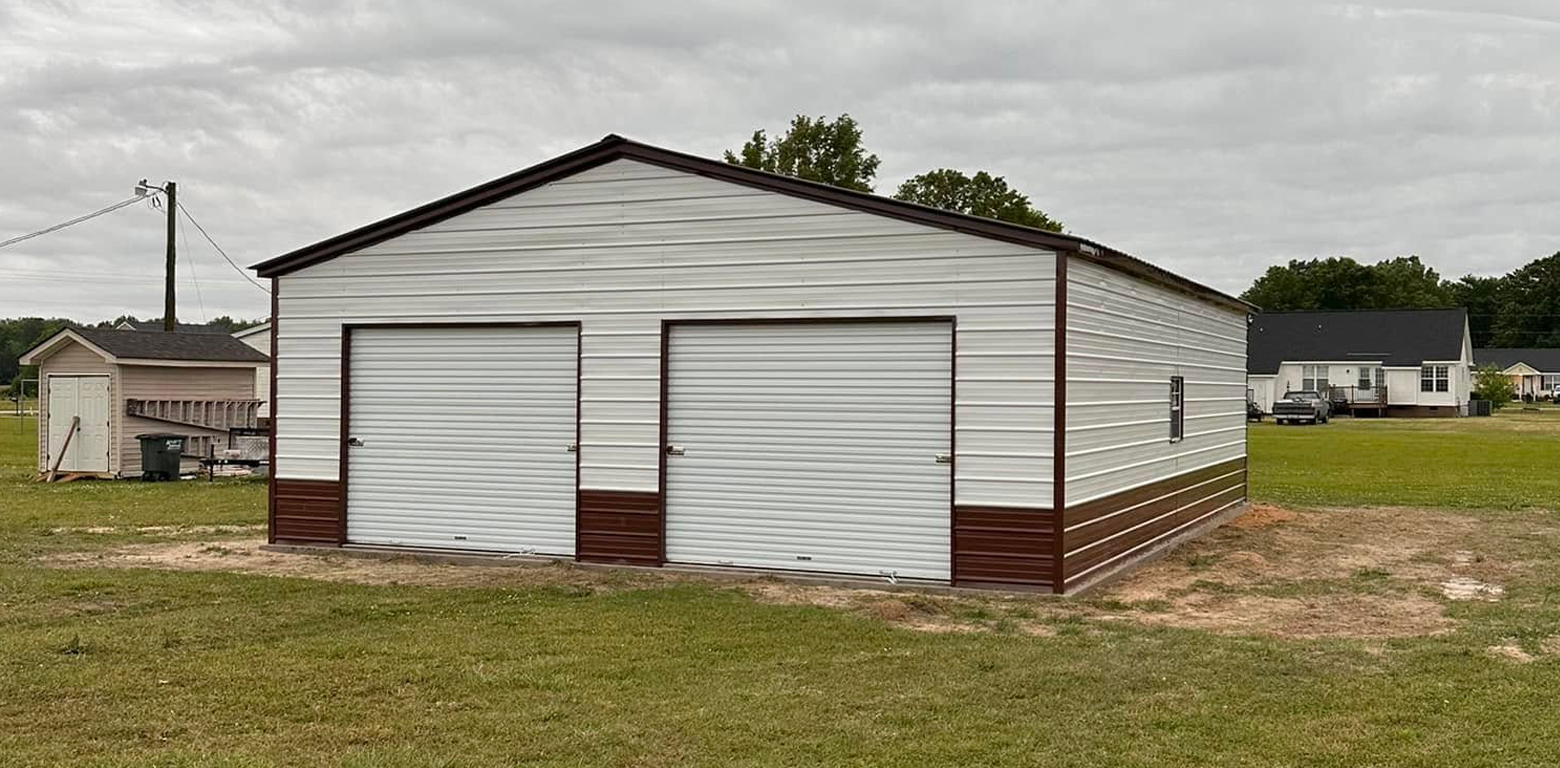
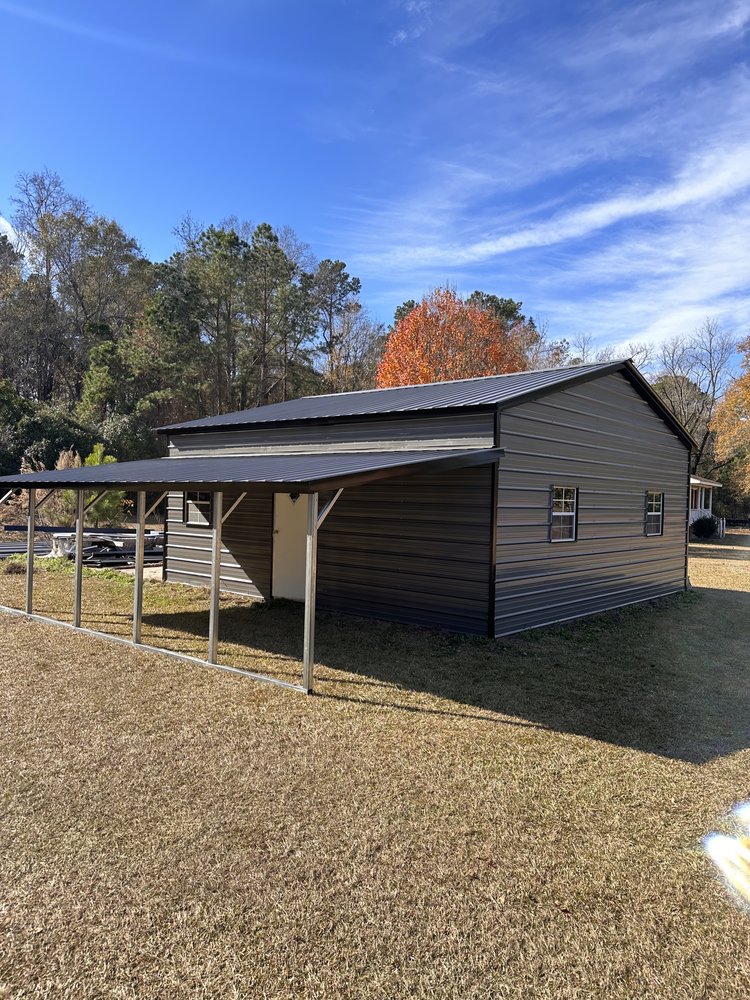
Short verdict: For hot, humid climates in the Southeast, steel wins for long-term durability, pest resistance, and moisture handling. Wood can look cheaper at the start, but it asks for a lot more upkeep and climate-specific detailing to keep up over the years.
A steel building's price depends on its size, roof style, framing gauge, doors and windows, and options like lean-tos or insulation. Wood framing can look cheaper on a small, simple footprint, but that first number usually leaves out the treatment, repairs and replacement work a humid climate brings later. The fairest comparison is the full cost of owning the building, not just the kit.
Plan the concrete slab and site prep as separate line items. In North Carolina and neighboring states, red-clay lots often need subgrade correction, extra gravel and careful compaction before a slab goes down, so get your site looked at early. Heavy Duty Metal Buildings offers free, no-obligation quotes for buildings of any size, with no hidden fees, so you can see real numbers for your exact layout.
Steel usually comes out ahead over a 20–30 year horizon. Wood pole construction tends to need major repairs sooner in humid climates, because posts rot at ground level and roof sheathing and fasteners loosen. A properly detailed steel building with good rust protection can go decades before major envelope work, especially with heavier-gauge framing in higher-wind areas.
Wood brings recurring costs: treating or replacing posts, repainting or re-siding, and termite treatments. For steel, the typical recurring work is paint touch-ups and dealing with any isolated rust spots, depending on the finish and how much moisture or salt exposure the site gets.
Steel beats wood for resistance to rot and pests. In hot, humid zones like the Carolinas, Virginia and Georgia, untreated wood sits in conditions that encourage fungal decay and termites. Pole barn posts are the most common failure point: buried wood in damp soil degrades and lets the structure shift. Steel framing removes that failure mode.
Corrosion is the trade-off. Bare or poorly coated steel can rust, so look for galvanized sheeting and a baked-on paint finish, and ask what manufacturer fade and rust warranty comes with the panels you choose. Vertical roof panels help shed water and debris, which cuts down on ponding and corrosion compared with horizontal panels. Condensation control, such as a vapor barrier or insulated panels under the roof, prevents the interior drips that ruin tools. If you plan a lived-in barndominium or an insulated shop, steel with a proper vapor barrier and insulation keeps interior moisture in check.
Wood buildings need more attention in humid climates: repainting or re-staining siding, checking and re-leveling posts after heavy rains or settling, and regular termite inspections. Roof decking and shingles also need attention or replacement over time.
Steel maintenance is mostly visual and local. Typical tasks: touching up trim and fastener areas, replacing a few fasteners or panels after storms, and keeping gutters and eaves clear so moisture doesn't get trapped. Condensation control is proactive maintenance; putting in liner panels or insulation up front avoids the common complaint of morning drips in uninsulated steel buildings.
Steel is the better pick if you need a clear-span shop, expect heavy use, want minimal pest risk, or plan to keep the building 20+ years. It is a strong fit for metal shop buildings where contractors store equipment, for prefab farm kits that resist rot, and for barndominiums that combine living quarters with big open bays. See our page about Metal Shop Buildings for Contractors in Richmond, VA for contractor-focused options and clear-span layouts.
If you are weighing a traditional pole barn against a steel kit for farm storage, compare the two side by side on our Pole Barn Kits vs Metal Building Kits page.
For the Southeast climate, talk through these details before you order: framing gauge matched to your use and local wind loads, galvanized panels, vertical roof panels, and a slab built over a compacted gravel base, with a thicker, reinforced slab for heavy-equipment bays. In Jonesville and the Piedmont, local red-clay soil often needs extra base work, so don't skimp on compaction.
Also plan for permits. Requirements and fees in NC, VA, SC and GA vary by county, and our Building Permits & Compliance service can help you understand what your county needs before you break ground.
Choose steel if you want a long-lasting, low-maintenance structure, need clear-span bays, or worry about pests and rot. In a hot, humid climate, those advantages add up year after year.
For a free, no-obligation estimate or to use our online 3D Builder and see how a steel layout fits your site, contact Heavy Duty Metal Buildings at (336) 551-4002 or heavydutymetalbuildings@gmail.com. We serve Jonesville, NC and surrounding areas across NC, VA, SC and GA. Our shop and farm building options for South Carolina customers are on the Steel Buildings for Farms in Columbia, SC page, and our metal building homes with living quarters are on the Metal Building Homes with Living Quarters in North Carolina page.
Ready to get started? Call (336) 551-4002 or request your free quote today.
Contact us today for a free, no-obligation estimate! Our team at Heavy Duty Metal Buildings will help you
design the perfect structure to meet your needs and budget.